
Land Use Planning for Thriving Communities
Comprehensive planning, development, environmental, and economic solutions for complex land use projects.
Dynamic and Creative Land Use Solutions

Municipal Consulting
Advise Municipal Boards, Commissions and Agencies:
- Site Plan and Subdivision Reviews
- Special Use Permit Applications
- Wetlands and Watercourses Permit Reviews
- SEQR Reviews and Procedures
- Zoning and Land Use Decisions
- Cluster Subdivisions
- Litigation Support and Expert Testimony
- Comprehensive Plans
- Land Use Plans
- Site Planning Controls
- Zoning and Wetland Ordinances/Laws
- Subdivision Regulations
- Fee Schedules
- Recreation and Historic Resource Planning
- Other Growth Management Tools
- Natural Resource Protection Ordinances
- Watershed Plans
- Water and Sewer Project Planning and Implementation
- Highway and Bridge Planning and Environmental Reviews
- Public Buildings and Facilities Planning
- Telecommunications and Comprehensive Planning and Development Regulations
- Telecommunications and Cell Tower Ordinances
- Open Space Plans
- Floating and Overlay Zoning
- Special Permit Standards and Regulations
- Steep Slopes Laws
- Adaptive Re-use Regulations
Economic Development
Development of Innovative Partnerships:
Community Investment Corporations
Enterprise Zones
Business Improvement Districts
Revolving Loan Funds
Micro-Enterprise Loan Funds
Solid Waste Facilities & Market Development
Community Services Integral to Economic Development

Comprehensive Planning and Development Regulations
Comprehensive / Master Plans
Land Use Plans
Site Planning Controls
Zoning and Subdivision Regulations
Wetland and Environmental Laws
Growth Management Planning
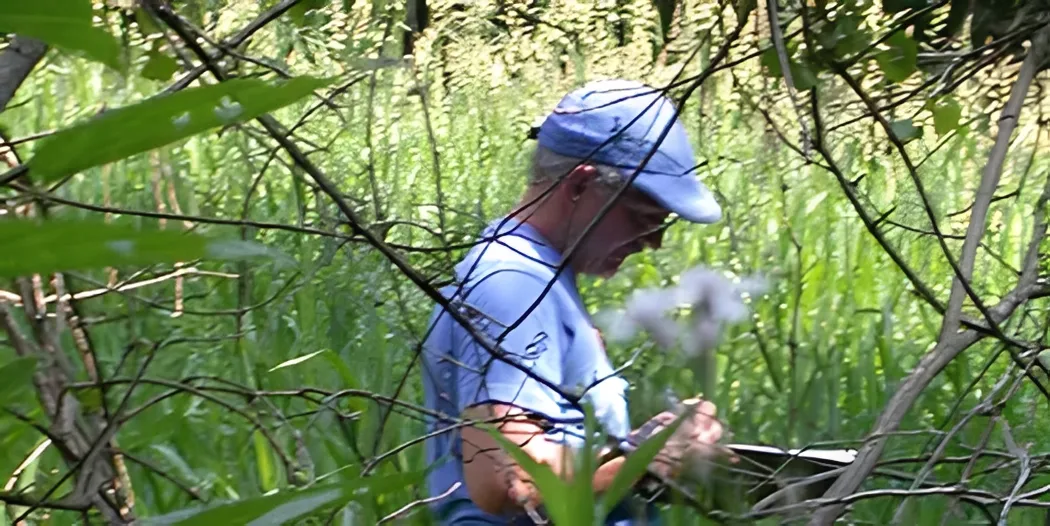
Environmental Monitoring and Wetland Inspector Services
Environmental and Permit Compliance
Development and Wetland Mitigation Monitoring
Wetland Permit Administration and Enforcement
Litigation Support
Field Inspections and Verification
Rare Flora and Fauna Analysis and Inventory
Renewables, Energy Efficiency and Sustainable Development
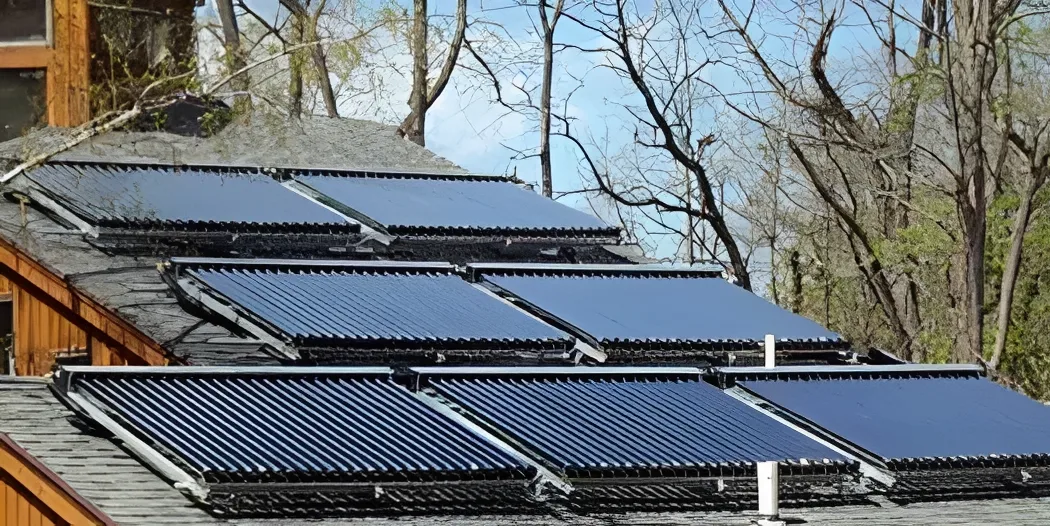
From site and structures development perspectives, building and materials choices, mechanical and structural systems, infrastructure options, and financing considerations and sources of assistance, MDRA adds a new level of sophistication to its real estate development, planning, and environmental resource consulting practice. Green marketing considerations, community acceptance, and U.S. Green Building Council LEED certifications, among others, are becoming factors in development choices.
Research available federal, state, and utility company incentive programs.
Prepare funding applications.
Identify and manage energy technical service providers.
Plan and manage energy audits and desired work scope preparation.
Plan and manage procurement of construction services and construction.
Plan and manage post-work energy performance diagnostics and commissioning.
Develop marketing strategies and devise and implement tenant and building O&M orientation programs.

Grant Writing
Program Development Areas:
Affordable Housing
Sewer and Infrastructure Improvements
Historic Preservation
Public Recreation Facilities
Local Industrial Development Financing
Housing and Facilities for the Aging
Records Management Grants

Public Incentives for Economic Development
Services include business plan preparation, application preparation, funding procurement, and executing related transactions in terms of requirements, documentation, and monitoring requirements. Funding may involve governmental, non-market capital and other incentives. Working with financial incentives in the public and private markets has coalesced into a highly successful, pragmatic and sophisticated “Incentives Infusion” consulting practice, which has helped make many projects feasible by helping to complete their capital structures and/or enhancing returns for project owners.
Either starting with the project which needs incentivized funding or with the announcement of new funding availability, MDRA’s goal is to research, review and match available public incentive programs with suitable projects. Potential public-private incentive projects must be desirable from a public perspective and comply with each potential incentive source Agency’s requirements, as well as be demonstrably financially viable. Each project requires research, background information and analysis in order to determine the right incentive fit – some of which includes the following:
- Identification of potential incentive sources based upon project type and location
- Evaluation of project in light of incentive source criteria
- Establishment of public purpose support statements for the project
- Identification and securing of potentially supportive governmental and community relationships
- Establishment of public support and private commitments deal points
- Preparation of incentive applications and grantor agencies strategies
- Layout of project land use review and approvals procedures
- Preparation and establishment of incentives’ terms, conditions and inter-subordinated creditors arrangements
- Development of project implementation strategies
When a project needs incentive financing to make its capital structure work, MDRA produces a Potential Incentive Availability Report based on the above information. The following information provides a glimpse of what such a Report includes:
- Does project meet incentive program threshold eligibility criteria
- Evaluation of project scheduling and incentives timing interaction
- Capital structuring and project financial performance with potential incentives
- Impacts of incentive program requirements, limitations and costs
- Identification of public benefits (e.g., jobs, training, community renewal, fiscal impacts, energy sustainability, environmental restoration, public access or open space, etc.)
- Preliminary incentive agency contacts and application planning
- Project - Specific Incentive Work Tasks
- Funding program(s) regulations and eligibility review
- Requests for funding / application preparation and management
- Funding Agency – application review, monitoring and interaction
- Negotiation of terms and conditions and inter-subordinated creditor agreements
- Transaction documentation, capital stack and financing structure planning
- Post development project monitoring and report preparation
- Creative response to RFP for public development opportunities
- Pending changes to incentive programs to evaluate their business potential
- New projects by identifying types and locations of projects with high fundability likelihood and conveying that information to potential project sponsors
- Participation in creating new or revised governmental incentive sources and regulation writing
Notable MDRA incentive projects for public and private project sponsors include:
- A $240 million incentive package for a 400 million tons-per-day mixed-office waste deinking and market pulp facility in Hagerstown, Maryland. Responsibilities included securing and processing State energy bond financing, environmental remediation, and permitting, which included securing a crucial Beneficial Use Determination for residual sludges.
- An $85 million incentive package for the Long Dock Beacon project, a “Doral”-managed 166 Room LEED Gold Hotel and Conference Center proposed in Beacon, New York. Responsibilities included the structuring of a $39 million “incentives package” from New Market Tax Credits and other sources, as well as securing environmental and land use permits.
- Millions of dollars awarded to the City of Poughkeepsie, New York from a United States Department of Commerce Public Works Grant Program as a result of active lobbying at a Joint Congressional Rule Making Committee.
- Preparation of a successful 1st round HUD Urban Development Action Grant (UDAG) program application which initiated the practice of making subordinated capital investments in real estate projects to meet established public benefits.
- Small Cities Community Development Block Grant for an economic development project which provides subordinated debt to Apple Land a proprietary day-care center as an economic development project. This project was the recipient of a national recognition award.
- Evaluating a project in light of incentive source criteria
- Establishing public purpose support statements
- Identifying potential governmental and community supportive relationships
- Achieving a decision indicating that both private and public entities want to support an incentives initiative for the project
- Establishing public support and private commitments deal points
- Initiating incentive applications and grantor agencies strategies
- Identifying project land use review and approvals procedures
- Establishing incentives’ terms, conditions, and inter-subordinated creditors arrangements
- Developing project implementation strategies
Unprecedented levels of public resources are being allocated to existing and new public financial incentive programs that target new, expanding, and existing public and private ventures as part of stimulus measures from Federal, state, and local governments.
Public notifications of fund availability for these assistance programs are being issued, requiring very fast application preparation and submission turnaround times in keeping with their economic stimulus agenda.
Obtaining funding through these sources of project and program public financial incentives requires that either knowledgeable staff or qualified consultants undertake an intensive, focused effort to define the program, complete application-required submissions and procedures, arrange for program and activity definition, budget and scheduling, and arrange for and present all partnership and other participant or supporter documentation.
Let us help you by contacting MDRA.
Planning With Environmental Considerations in Mind
See how our environmental services support informed planning, permitting, and responsible project development.